




Top Rated Protein Powder: 10 Best Picks
Table of Contents
- Top Rated Protein Powder: Quick Comparison Table
- Best Overall: MTS Nutrition Machine Whey Protein
- Best Whey Protein Isolate: Core ISO
- Best High-End $$$: ON 100% Gold Standard Whey Protein
- How to Read Supplement Labels for Quality
- Third-Party Supplement Testing: What It Means
- What to Look for in a Top Rated Protein Powder
- Protein Powder vs. Whole Food Sources
Last Updated: August 22, 2026
Top Rated Protein Powder: Quick Comparison Table
|
Protein Powder |
Type |
Protein per Serving |
Starting Price |
Best For |
|---|---|---|---|---|
|
Whey Blend |
25g |
$49.99 |
Overall muscle growth and recovery |
|
|
Whey Isolate |
25g |
$59.99 |
Pure isolate, gourmet taste |
|
|
Whey Blend |
24g |
$78.50 |
Non-Budget-conscious athletes |
|
|
Whey Blend |
25g |
$58.95 |
Fast absorption, post-workout |
|
|
Whey Isolate |
25g |
$45.95 |
Lean muscle, cutting phases |
|
|
Whey Isolate |
25g |
$47.99 |
Clean formula, fast digestion |
|
|
Whey Blend |
25g |
$57.99 |
Taste and transparency |
|
|
Whey Isolate |
25g |
$64.99 |
Third-party tested, clean label |
|
|
Whey Isolate |
25g |
$66.99 |
Premium micro-filtered isolate |
|
|
Whey Isolate |
25g |
$56.99 |
Grass-fed sourcing, GLP-1 support |
The protein powder market is flooded with garbage. According to the Clean Label Project's 2025 toxin screening report, nearly half of 134 protein powder products exceeded safety limits for heavy metals, BPA, or pesticides. Your body is a machine. You don't put cheap fuel in a high-performance engine.
A top rated protein powder delivers purity, absorption speed, and verified label accuracy. Third-party testing, transparent ingredient lists, and proven amino acid profiles that drive muscle protein synthesis separate quality products from the rest. The products in this guide meet those standards.
Key TakeawayThe protein supplements market in the U.S. reached $10.88 billion in 2025 and is projected to hit $22.58 billion by 2032 at an 11% compound annual growth rate. People are finally taking protein seriously. Make sure you're buying the right kind.
Best Overall: MTS Nutrition Machine Whey Protein
MTS Nutrition Machine Whey Protein is the benchmark at Tiger Fitness! Former Stack3d Protein Wars Champion rated it as the best whey protein powder for good reason.

Marc Lobliner, CEO of MTS Nutrition, built Machine Whey to deliver high-quality protein at an aggressive price point. At $49.99, it's one of the most competitive options for a legitimate product.
The formula uses 80% whey protein concentrate (WPC-80), the highest grade of concentrate available. That means more protein per scoop than cheaper powders using WPC-35 or WPC-50. You're not getting diluted garbage.
Machine Whey blends concentrate with isolate to balance taste and macros. The concentrate gives flavor. The isolate keeps carbs and fat low. The result tastes like ice cream without blowing your macros.
Each scoop delivers 25 grams of protein from whey concentrate & whey protein isolate. The isolate hits fast. The concentrate provides sustained amino acid availability. You get the full spectrum of absorption rates in one serving.
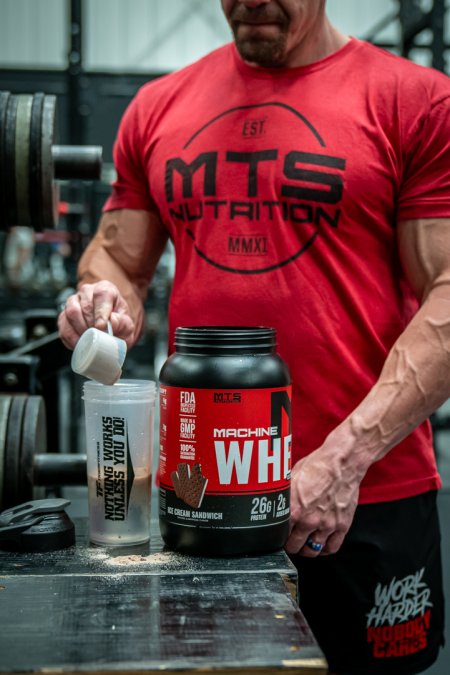
Flavors include Cookies and Cream, Peanut Butter Cookies and Cream, and Ice Cream Sandwich. Most are gluten-free. This is the protein powder for athletes on a budget who refuse to compromise on quality.
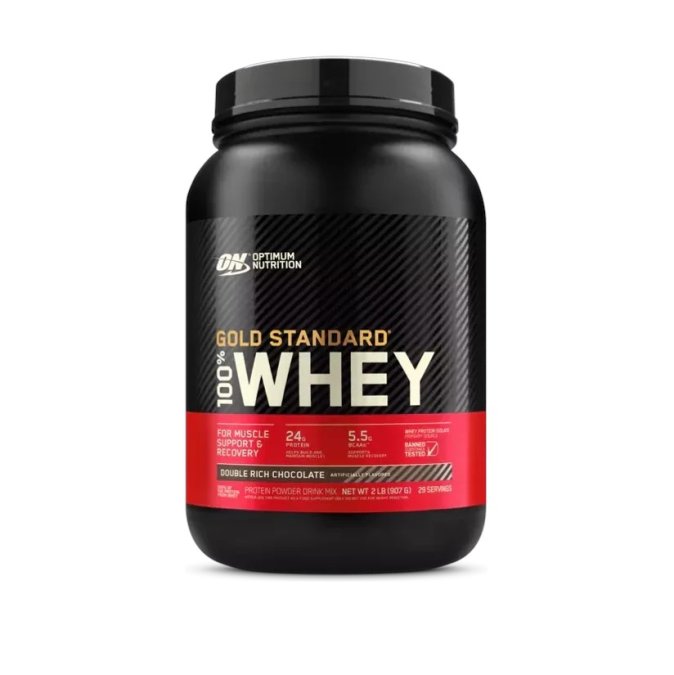
Best Non-Budget-Conscious Athletes: ON 100% Gold Standard Whey Protein
At $78.50/2lb supply, it's higher than some alternatives, but you're paying for quality control and consistency. Every batch is tested. Every scoop is reliable.
ON Gold Standard Whey combines whey protein isolate, whey protein concentrate, and hydrolyzed whey peptides for fast absorption and optimal muscle support.
24g of high-quality whey protein per scoop. Supports muscle building & recovery. Over 5g of BCAAs per serving to help enhance muscle recovery and endurance!
Flavors include Double Rich Chocolate, French Vanilla, and Delicious Strawberry. Low in Fat & Sugar. This is the protein powder for athletes who want high quality and have the budget to support it.
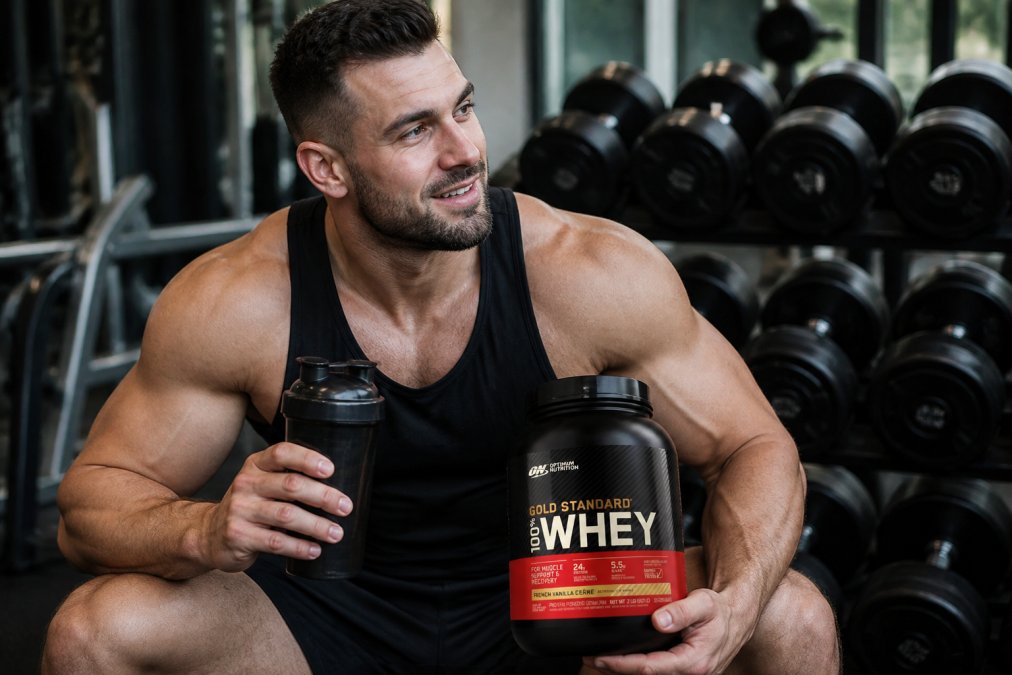
Pro TipPost-workout timing matters less than total daily protein intake. Research shows spreading protein across the day (1.6-2.2g per kilogram of bodyweight) drives better results than timing a single dose. Use Gold Standard whenever it fits your schedule.
Best Whey Protein Isolate: Core ISO Clear
Core ISO Clear is 100% whey protein isolate without filler. The company built it to address what other isolates get wrong.
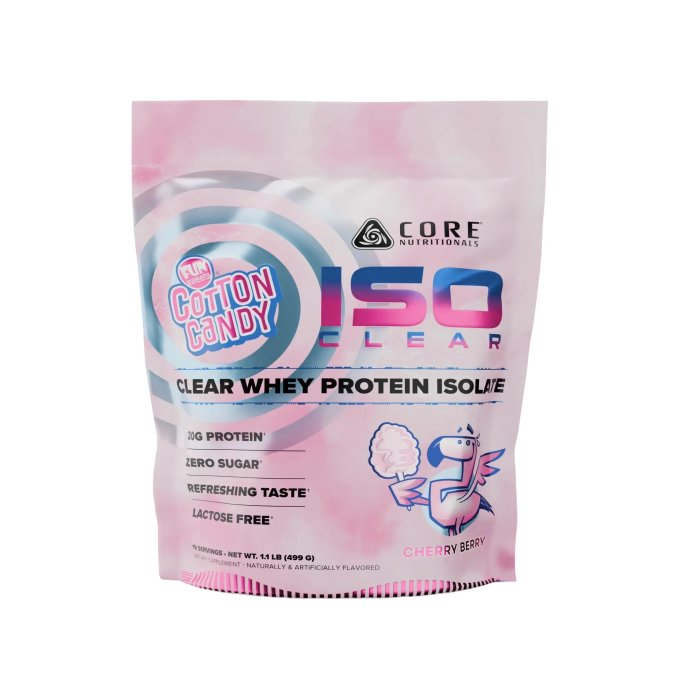
Core ISO contains 25 grams of whey isolate per scoop with zero added sugars. Most isolates add sugar to mask bitterness. Core used natural flavoring instead. The result tastes like a gourmet pastry, not a chemical experiment.
Whey isolate undergoes additional filtration to remove fat, carbs, and lactose. That means faster absorption and a leaner macronutrient profile. The amino acid profile is optimized for leucine content, which directly stimulates muscle protein synthesis. If you have lactose sensitivity, isolate is your move.
Core ISO Clear is positioned for serious lifters in cutting phases or lean bulk cycles. Low fat, low carbs, high protein. The mixability is smooth. No blender required.
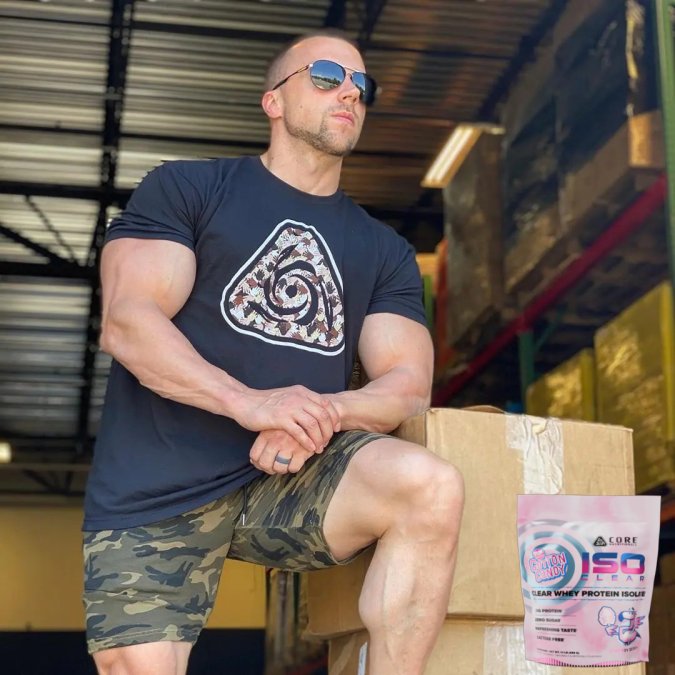
At $49.99, it's positioned between budget options and premium isolates. You're paying for purity and taste, not marketing.
Watch OutPlant-based protein powders showed three times more lead than whey-based alternatives in the Clean Label Project screening. If you're using plant-based protein, third-party testing becomes non-negotiable. Chocolate-flavored powders contained up to four times more lead than vanilla options.
How to Read Supplement Labels for Quality
Most people don't read supplement labels. That's how you end up with contaminated products.
A legitimate label tells you exactly what you're getting. Start with the supplement facts panel. If the label uses "proprietary blend" without breaking down individual ingredient amounts, walk away. You don't know what you're buying.
Look for the protein source. Whey protein isolate, concentrate, and hydrolyzed peptides are different forms with different absorption rates. The label should specify which ones are used.
Check the amino acid profile. Leucine content matters most because it triggers muscle protein synthesis. A quality whey protein has at least 2.5-3 grams of leucine per serving. BCAAs should total at least 5 grams per serving. post-workout recovery products.
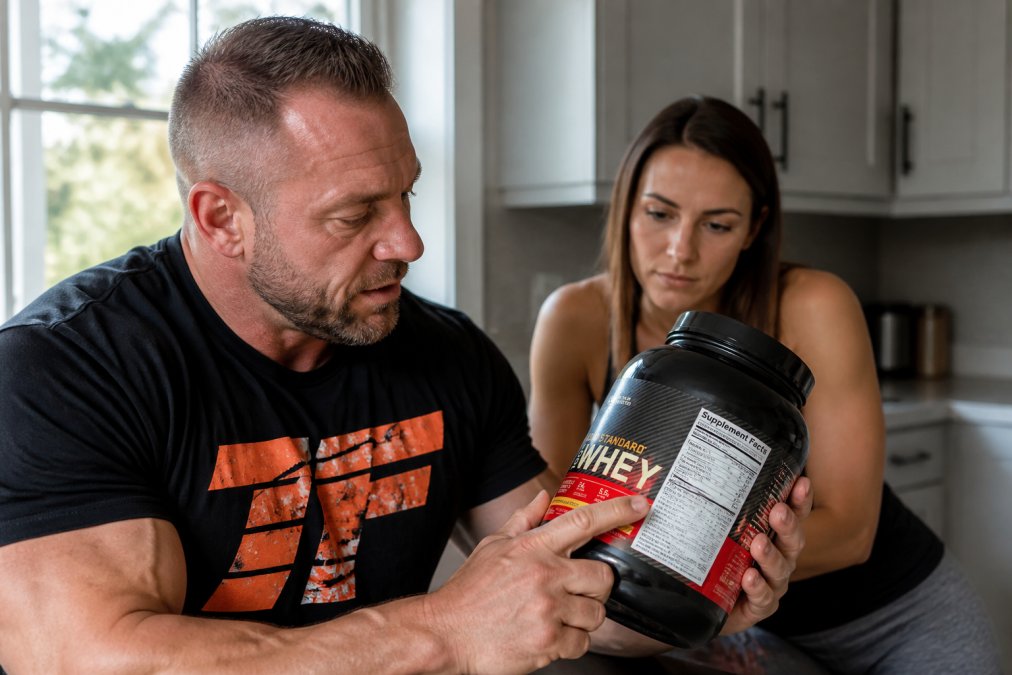
Look at carbs and sugar. If a protein powder has more than 2-3 grams of sugar per serving, it's using cheap sweeteners to cover bad taste. Quality powders use stevia or sucralose sparingly. Carb count should be under 3 grams for isolates, under 5 grams for concentrates.
Check the ingredient list for artificial colors. Real food doesn't need FD&C dyes. If the label lists artificial colors, the company is prioritizing appearance over quality.
Serving size matters. A legitimate whey protein serving is 25-35 grams of powder. If the serving is 15 grams, the numbers are artificially inflated.
Read the fine print for allergen warnings. If the facility processes peanuts, tree nuts, or shellfish, it will be stated. Organic protein powders actually contained three times more lead and twice the cadmium of non-organic products in testing, so "organic" isn't always better.
Third-Party Supplement Testing: What It Means
Third-party testing verifies that a supplement contains what the label says and nothing harmful. The FDA doesn't approve dietary supplements before they hit the market. Manufacturers are responsible for safety and labeling.
Third-party testing means an independent lab tests the product for purity, potency, and contamination. Common testing organizations include NSF Certified for Sport, Informed Sport, USP, and ConsumerLab. These labs screen for heavy metals, banned substances, allergens, and ingredient accuracy.
When a protein powder carries NSF Certified for Sport or Informed Sport certification, the lab tested multiple batches and verified the product contains exactly what the label claims. No more. No less. No heavy metals. No banned substances.
Nearly half of tested protein powders exceeded safety limits for heavy metals like lead, arsenic, cadmium, and mercury. Some contained BPA. Some contained pesticides. Without third-party testing, you're gambling with your health.
Look for the certification seal on the label or the company's website. If a brand doesn't third-party test, ask why.
Pro TipWhey protein prices jumped 250% in the past year, with a pound of whey protein costing as much as $13 in 2026, up from $2 in 2023. This inflation makes third-party testing even more critical. You need to know you're getting real whey, not filler with a whey label. Certified products are your assurance.
What to Look for in a Top Rated Protein Powder
Stop chasing marketing claims. Focus on what actually drives results: protein quality, amino acid profile, and purity.
Protein Type: Whey protein isolate is the fastest-absorbing and most researched form, ideal for post-workout recovery. Whey concentrate is slower and contains more lactose but is cheaper. Hydrolyzed peptides are pre-broken-down amino acids. All three work. Isolate is the premium choice.
Amino Acid Profile: Look for at least 2.5-3 grams of leucine per serving. This amino acid directly stimulates muscle protein synthesis. Total BCAAs should be 5+ grams.
Absorption Speed: Fast-digesting proteins are ideal post-workout when muscles are primed to absorb amino acids. Whey isolate and hydrolyzed peptides are fastest. Whey concentrate is moderate. Casein is slow-digesting and better for bedtime.
Macronutrient Ratio: Quality protein powder should have minimal carbs and fat relative to protein content. Isolates should have under 3 grams of carbs per serving. Concentrates should be under 5 grams. Sugar content should be under 2 grams.
Mixability: The powder should dissolve in water with a spoon or shaker bottle. If it clumps or requires a blender, it's poorly formulated.
Taste: If your protein tastes like cardboard, you won't drink it consistently. Consistency beats perfection.
Third-Party Testing: Non-negotiable. NSF Certified for Sport or Informed Sport certification means the product is verified for purity and potency.
Ingredient Transparency: The label should list every ingredient with amounts. Full transparency is standard now. Demand it.
According to Precedence Research's 2026 protein supplements market analysis, the sports nutrition segment holds 66.1% of the global protein supplement market, with e-commerce accounting for 81.6% of revenue share. Most serious athletes are buying online. You need to know what you're buying before it arrives.
Protein Powder vs. Whole Food Sources
This isn't either-or. It's about context.
Whole food protein sources like chicken, eggs, fish, and beef are nutrient dense. They contain micronutrients, minerals, and fat-soluble vitamins that powder doesn't. A steak is iron, B vitamins, and naturally present creatine.
But whole food has drawbacks. Chicken takes 30 minutes to cook. Eggs require preparation. Beef is expensive. If you need 200 grams of protein daily and rely only on whole food, you're spending hours cooking and eating.
Protein powder solves the logistics problem. One scoop mixed with water takes 30 seconds. It's portable, shelf-stable, and consistent. You know exactly how many grams of protein you're getting.
Research is clear: a protein- and fiber-based supplement shake as a preload before meals can positively influence weight management and metabolic outcomes. Subjects consuming a high-protein diet lost significantly more body fat and showed greater preservation of lean muscle compared to control groups. That's from the American Society for Nutrition's research published in The Journal of Nutrition.
The optimal approach: use whole foods as your primary protein source. Use protein powder to fill gaps when whole food isn't practical. If you need 200 grams daily and get 120 from whole food, use 80 grams from powder. That's 2-3 servings.
Post-workout is where powder excels. Your muscles are primed for amino acids. Fast-absorbing whey protein isolate hits your system within 30 minutes. Whole food takes 2-3 hours to digest and absorb.
For weight loss, protein powder is a tool. High-protein diets increase satiety. Whey protein supplementation may support fat-free mass preservation during weight loss, particularly when combined with resistance exercise. That's from the National Institutes of Health's systematic review of whey protein effectiveness.
A top rated protein powder isn't a replacement for whole food. It's a supplement. Use it strategically to hit your daily protein target, especially post-workout when absorption is fastest.
Finding a top rated protein powder comes down to three things: purity, protein quality, and whether you'll actually drink it consistently. ON Gold Standard is the safest choice for most athletes. Machine Whey is the best overall value play. Core ISO is for isolate purists. All are third-party tested and deliver real results when combined with resistance training and adequate calories.
Tiger Fitness stocks all these products at competitive prices with fast shipping. We also provide free fitness calculators and training tools to help you dial in your nutrition and training. Start with the right protein powder, then dial in your total daily intake. That's how you build muscle and lose fat simultaneously.
Frequently Asked Questions
Q: What makes a top rated protein powder different from cheaper options?
A: Quality separates the leaders from the rest. Top rated protein powders use premium whey protein isolate or high-grade concentrate, third-party testing for heavy metals and contaminants, and transparent labels showing exact amino acid profiles. Research shows 47% of protein powders exceed safety limits for lead, arsenic, cadmium, and mercury. The best products invest in microfiltration and deliver consistent macros per serving. You're paying for purity, not marketing hype.
Q: What are the benefits of whey protein isolate benefits compared to concentrate?
A: Whey protein isolate undergoes additional filtration that removes more fat, lactose, and carbohydrates while preserving amino acids. This means faster digestion, higher protein percentage per serving (typically 90%+ versus 70-80% for concentrate), and better tolerance for those with lactose sensitivity. Isolates also support muscle protein synthesis more rapidly post-workout due to their amino acid profile, especially leucine content. The trade-off is cost—isolates run higher per serving but deliver cleaner macros for cutting phases.
Q: How important is third-party supplement testing for protein powder?
A: Third-party supplement testing is critical. The FDA does not approve dietary supplements before sale, leaving safety to manufacturers. Independent testing by organizations like NSF Certified for Sport or Informed Sport screens for banned substances, heavy metals, and contaminants. Given that Clean Label Project found nearly half of screened products exceeded safety limits, third-party testing removes guesswork. Look for certifications on the label—they prove the product was tested by an external lab, not just the company selling it.
Q: Should I take protein powder before or after my workout?
A: Timing matters less than total daily protein intake. Research shows the 'anabolic window' is wider than once believed—you have up to several hours post-workout for muscle protein synthesis. What matters most is hitting 0.7-1g of protein per pound of bodyweight daily, spread across meals. That said, post-workout shakes are convenient because they're fast-digesting and require zero prep after training when your muscles need amino acids. Pre-workout protein also works if it fits your schedule and digestion.
Leave a comment